
Rude vs Polite English 😅 | Lokesh & Varsha
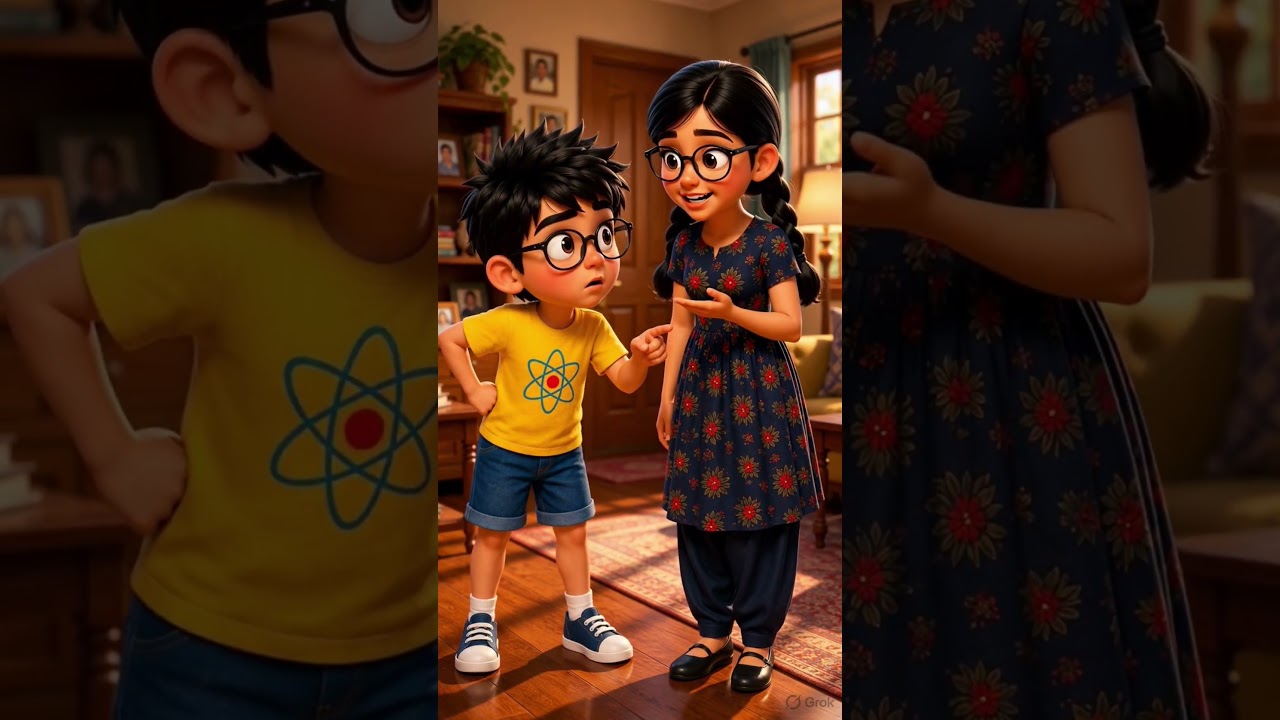
Rude English vs Polite English — Lokesh & Varsha Show You How! 🎭
"Sit down!" and "Have a seat" — same meaning, aana rombha different feel dhaane? 😄 In our latest Short, Lokesh (the blunt one 😤) and Varsha (the sweet one 😊) team up to show kids and parents how tone changes everything in English — even when the words mean the same thing.
This isn't just about grammar — it's about growing up saying the right thing, the right way. Let's dive in!
"Lokesh, sit down!" she said sharply. Varsha smiled and added, "Or... have a seat, தம்பி?" That's when Lokesh realized — same sentence, rendu maadhiri feel! 🙃
What Makes English "Polite"?
1. Softer Words
"Sit down" becomes "Have a seat" — same action, warmer invitation.
"Sit down" becomes "Have a seat" — same action, warmer invitation.
2. Asking, Not Ordering
"Who are you?" becomes "May I know who you are?" — a question, not a demand.
"Who are you?" becomes "May I know who you are?" — a question, not a demand.
3. Kind Disagreement
"You are wrong" becomes "I think you're mistaken" — same point, no hurt feelings.
"You are wrong" becomes "I think you're mistaken" — same point, no hurt feelings.
Why Kids (and Adults!) Slip Into "Rude Mode"
- Direct translation from Tamil thinking — straight-to-the-point words feel natural
- Not knowing softer alternatives exist for the same meaning
- Copying how elders or TV characters speak when annoyed
- Not realizing tone matters as much as the words themselves
🌟 The Lokesh-Varsha Rule: "Same Meaning, Softer Landing"
Before you speak, ask — can I say this same thing in a way that lands softer?
1. Swap the Verb
"Sit down" → "Have a seat." Small word change, big tone change.
2. Turn Statements Into Questions
"Who are you?" → "May I know who you are?" Questions invite, statements demand.
3. Say "I think" Before Disagreeing
"You are wrong" → "I think you're mistaken." Adding "I think" softens any correction.
Quick Takeaways
| Rude Version | Polite Version |
|---|---|
| Sit down | Have a seat |
| Who are you? | May I know who you are? |
| None of your business | That's personal, I need some space |
| You are wrong | I think you're mistaken |
| You are a liar | You are not being honest |
| This is a bad idea | I don't think this will work |
💚 Over to You: Try one polite swap today — with a friend, a sibling, or even at home. Comment below and tell Lokesh & Varsha which one you tried!
Created with ❤️ by Ganga Ponnu — One Mom, One Phone.
Explore the World of Lokesh & Varsha 🚀
About Our Story
Meet Lokesh
Meet Varsha
Random Tyms Universe
Created by Ganga Ponnu
Watch on YouTube ▶
Original Tamil educational characters for kids & families
Comments
Post a Comment